
Best practice knowledge and leading-edge insights
For over 30 years we’ve played a unique role, educating intranet and digital workplace teams around the globe. Our work has underpinned the careers of professionals in our field, by sharing what works and helping to drive ongoing innovation.
Dive into our extensive library of insights, articles and whitepapers!

Whitepapers and books
2026 Intranet & Digital Workplace Awards report
Five purposes of modern intranets

Knowledge domains for AI
Universal model for SharePoint

Al framework for the digital workplace
Essential intranets: inspiring sites that deliver business value
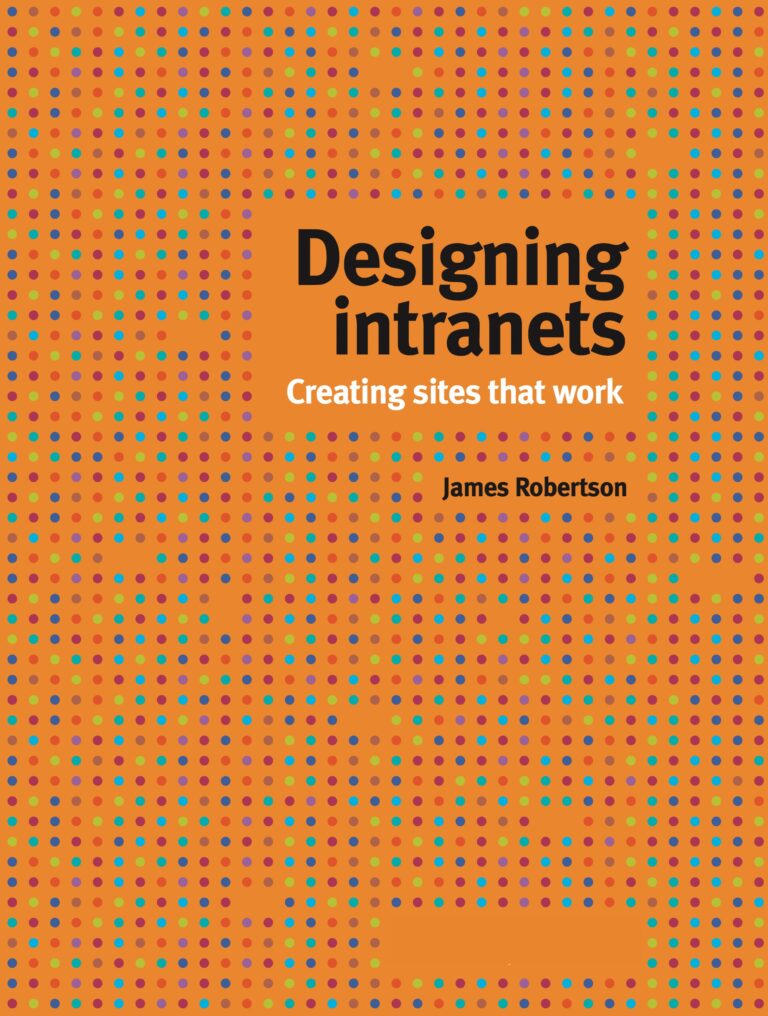
Designing intranets: creating sites that work
Intranet Roadmap (3rd edition)

Helping you deliver success

Consulting
Working as consultants or mentors/coaches, we help you deliver great outcomes.
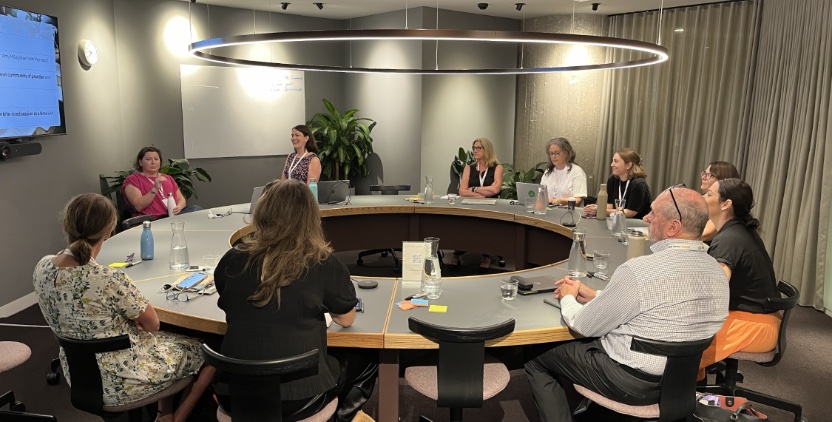
Step Two Forum
For more than two decades, we’ve provided the professional community for intranet, internal comms and digital workplace teams.
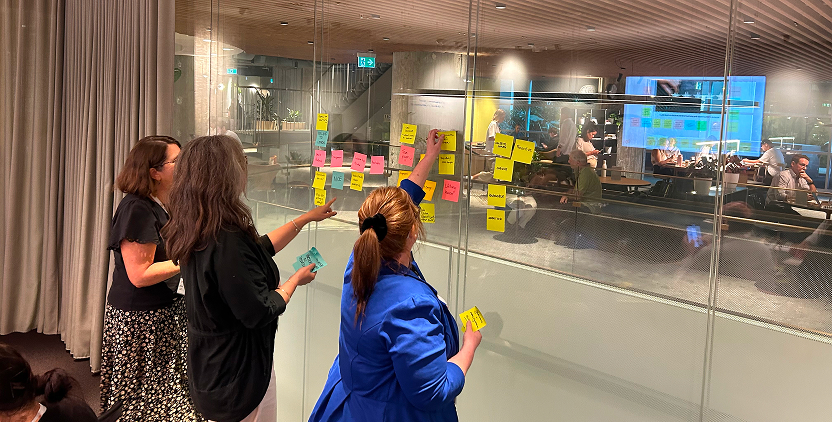
Conferences & events
Our annual DEX conference is renowned around the globe, alongside our webinars and workshops.
Latest webinars
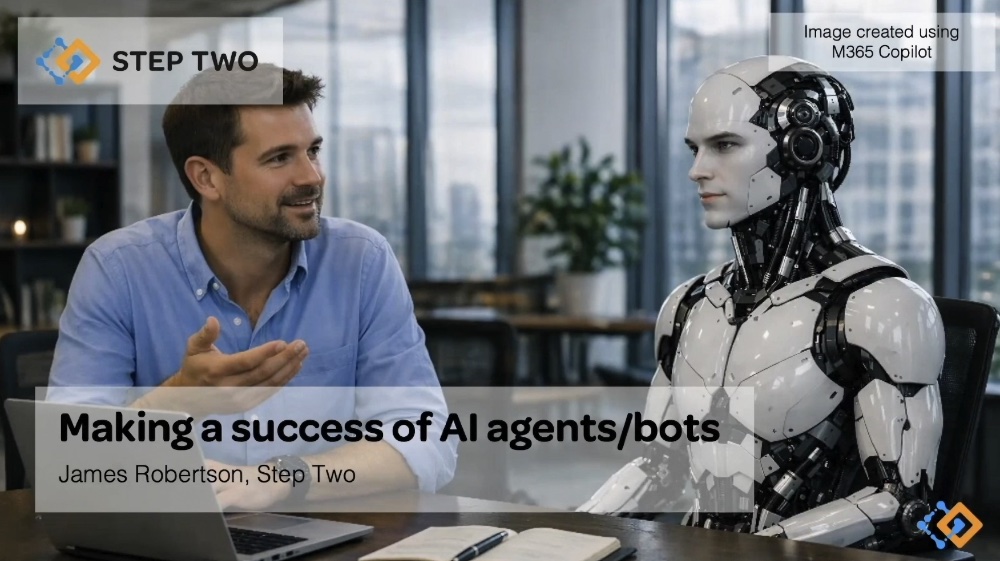
Webinar: Making a success of AI agents/bots
This webinar, run in July 2026, shared the “Knowledge domains for AI” framework, and how it can be applied in practice.

Webinar: Intranet and Digital Workplace Awards 2025 Showcase
The Step Two Intranet and Digital Workplace Awards are global awards that recognise outstanding contributions to the fields of intranets and digital workplaces.
Knowledge and news

News :
Inside Boehringer Ingelheim’s intranet task dashboard

News :
What tech platforms did the 2026 Intranet & Digital Workplace Awards winners use?

Article :
What should a global intranet team be doing?

Article :
Intranets play a strategic role in times of disruptive change
Article :
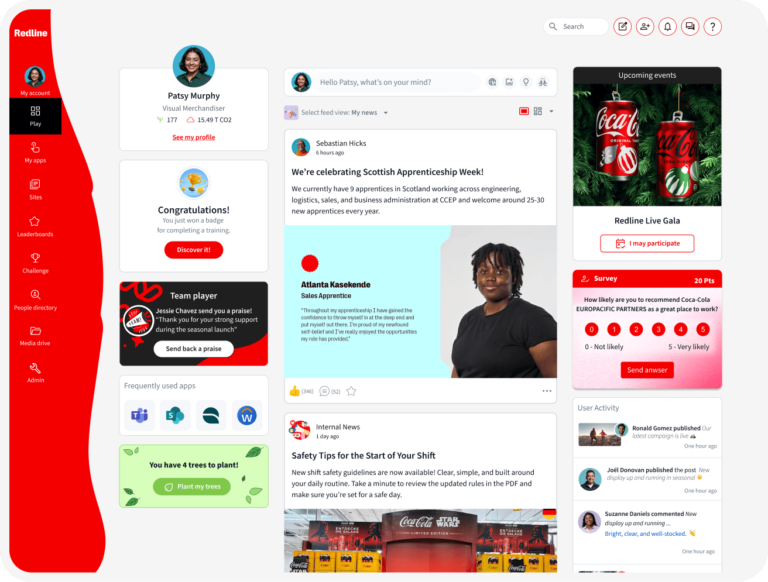
Six highlights from the 2026 Intranet and Digital Workplace Awards

Article :
How to target enterprise AI agent/bot deployment

News :
20 years of the Awards: five of our favourite winners

News :
20 years of awards, and there’s still so much to learn!

Article :
How to govern your SharePoint universe

Article :
The digital experiences of your frontline employees may be painfully (and strategically) bad

Article :
Are you coming into the office for the right reasons?

Article :
How to create a high-impact digital employee experience (DEX) strategy

Article :
A strong digital employee experience (DEX) helps organisations survive the worst that the world can throw at it

Article :
Who is responsible for the hybrid workplace?

Article :
Making the most of digital opportunities within employee experience (EX)

Article :